

How Long Do Garage Door Openers Last? 7 Signs Yours Needs Replacing
Quick answer: Most garage door openers last 10 to 15 years. Chain-drive units on the lower end, belt-drive and premium wall-mount models on the higher end. If yours is pushing 15 years, reverses on its own, or has stopped responding to the safety sensors, it is usually safer and cheaper in the long run to replace it than to keep patching it.
If your opener is grinding, lagging, or leaving you stranded in the driveway in Ellisville, Ballwin, Wildwood, or Eureka, this guide will help you tell the difference between a quick fix and a unit that has reached the end of the road.
How Long Should a Garage Door Opener Last?
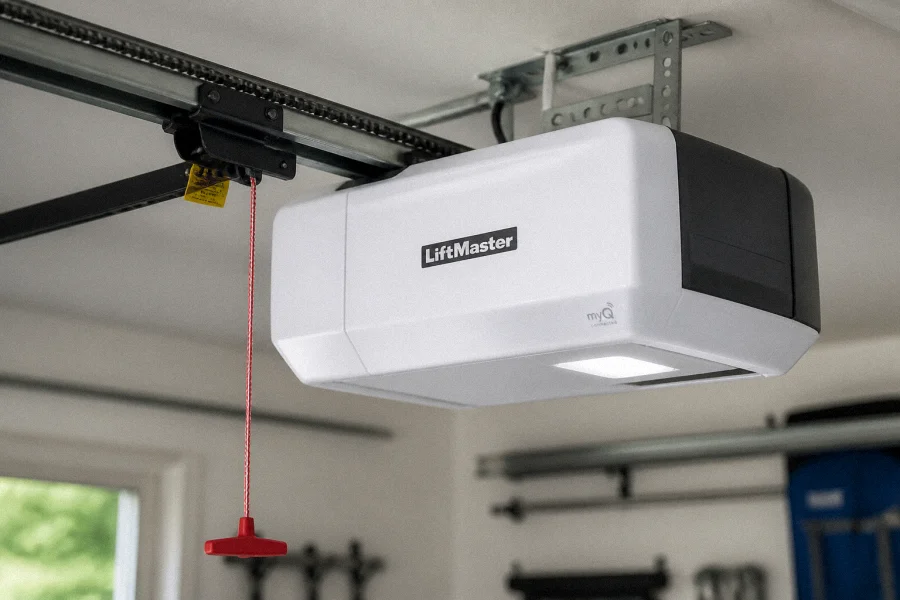
The honest answer is 10 to 15 years for most homes, but the real number depends on three things: how often you use it, how it was installed, and whether it was ever maintained.
A two-car household that opens and closes the door four to six times a day puts more wear on the motor, gears, and drive mechanism than a single-driver home that uses it twice a day. There is no exact "cycle rating" for the motor itself the way there is for torsion springs, but usage frequency is still the single biggest variable in how fast an opener ages.
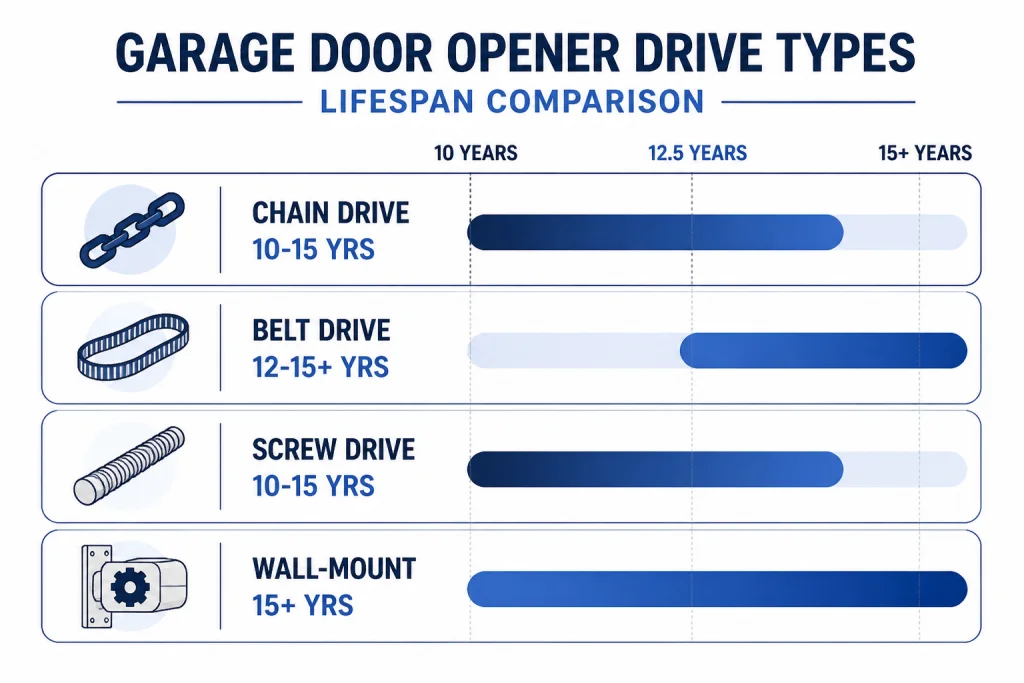
The drive type matters too:
| Opener Type | Typical Lifespan | Notes |
|---|---|---|
| Chain drive | 10 to 15 years | Very durable; louder and needs occasional lubrication |
| Belt drive | 12 to 15+ years | Quieter, great for attached garages and bedrooms above |
| Screw drive | 10 to 15 years | Fewer parts; sensitive to temperature swings |
| Wall-mount (jackshaft) | 15+ years | Premium, frees up ceiling space, very reliable |
Here in West St. Louis County, our temperature swings do not do openers any favors. A unit that reads 30 degrees in January and 95 degrees in July works harder every single day, and cheap builder-grade motors are usually the first to give up.
While garage door openers themselves are not rated in discrete cycles, the torsion springs that do the heavy lifting typically are - usually 10,000 to 20,000 cycles. If your springs are original to the house, they may be nearing the end of their rated life even if the motor still runs.
Jay
7 Signs Your Garage Door Opener Needs Replacing
1. It Is 15 Years or Older
Age alone is the biggest tell. If your opener predates 2011, it is living on borrowed time and almost certainly lacks modern safety and security features. Openers made before 1993 may not even have photo-eye reversing sensors, which are now a federal safety requirement. That is not a "someday" upgrade. That is a safety issue today.
2. The Door Reverses or Stops on Its Own
If your door starts to close and then randomly reverses, or opens partway and quits, the motor's logic board or limit settings may be failing. Sometimes it is a simple sensor alignment fix. But when the reversing is intermittent and unpredictable, a dying control board is the usual culprit, and replacing the board on a 12-year-old unit rarely makes financial sense.
3. Loud Grinding, Rattling, or Banging
Openers get a little noisier with age, but grinding, clunking, or banging is different. It often means worn gears, a failing motor, or a stripped drive mechanism. If your opener now sounds like it is chewing rocks, especially on an attached garage with living space above, it is worth having it looked at before it fails completely.
4. Slow Response or Lag After You Press the Button
A healthy opener responds the instant you press the remote or wall button. A noticeable delay, or a door that crawls open, points to a tired motor or worn internal components. This is one of the most common early warning signs, and it tends to get worse fast.
5. It Only Works Sometimes
Intermittent operation is one of the most frustrating failures. The remote works today and not tomorrow. The wall button is hit or miss. Once you have ruled out dead batteries and simple wiring, inconsistent behavior usually signals aging electronics that are about to quit for good.
6. No Safety Sensors or They Keep Failing
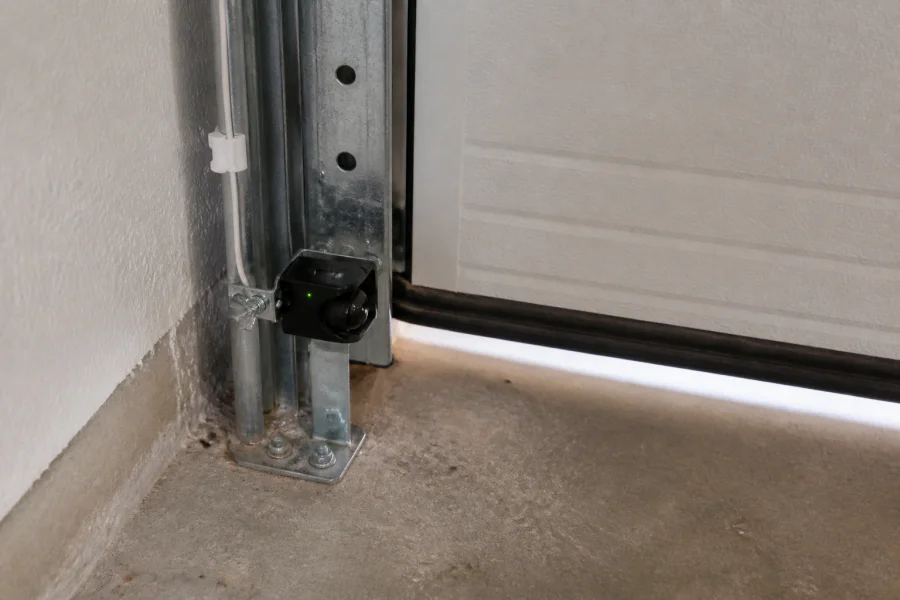
Photo-eye sensors near the floor stop the door from closing on a car, a pet, or a child. If your opener does not have them, or they constantly need realignment, that is a strong case for replacement. Modern openers pair reliable sensors with auto-reverse force settings that older units simply cannot match.
7. No Smart Features and No Battery Backup
This one is about capability, not failure. Older openers cannot connect to your phone, cannot alert you when the door is left open, and stop working entirely during a power outage. Newer LiftMaster, Chamberlain, and Genie models offer WiFi app control, and in many areas battery backup is now standard on new installs. If you are locked out every time the power blinks, that is reason enough to upgrade.
Repair or Replace? Our Honest Rule of Thumb
We tell every customer the same thing: if the repair cost climbs past 50 percent of the price of a new opener, replacement is usually the smarter investment. A new motor, a new logic board, and new gears on a 14-year-old unit can easily approach the cost of a brand-new opener that comes with a warranty and modern safety features.
There is no pressure and no scare tactics here. If a $40 sensor or a new set of remotes gets you another few good years, we will tell you that too. Sometimes the fix really is that simple.
What to Do Next
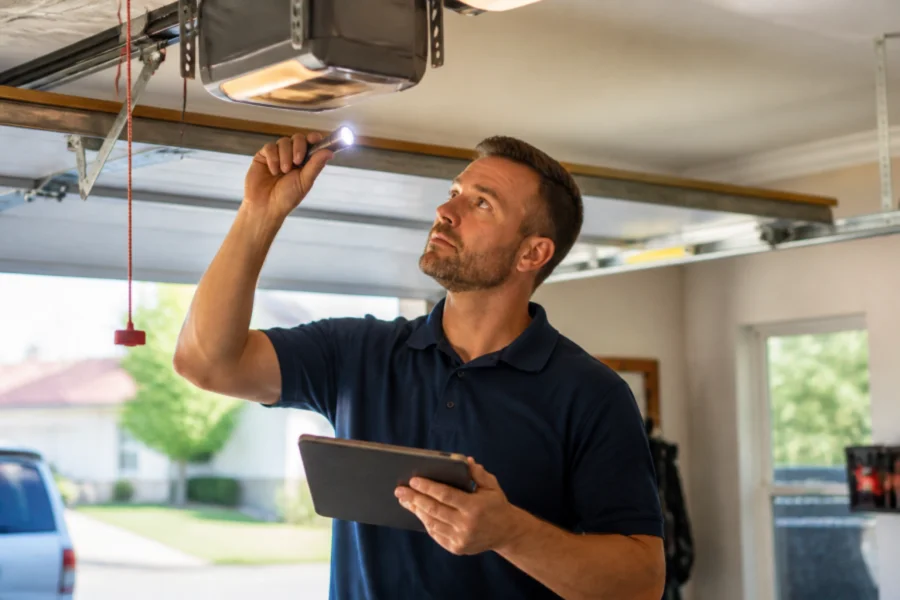
If your opener is showing one or two of these signs, start with a professional tune-up. If it is showing three or more, or it is over 15 years old, it is time to plan for a replacement before it strands you in the driveway.
West County Garage Door Service is owner-operated by Jay, who has been doing this work since 1978. He handles every job himself from diagnosis to cleanup, carries common parts on the truck for same-day repair in most cases, and gives you a real quote before you commit. No subcontractors, no upsells, no surprises on the invoice. It is why we have earned 145+ five-star Google reviews across West County.
Call or text (636) 388-9774 for honest advice on whether to repair or replace, and same-day service throughout Ellisville, Ballwin, Wildwood, Eureka, Manchester, Chesterfield, and the surrounding communities.
Frequently Asked Questions
How long do garage door openers last on average?
Most residential garage door openers last 10 to 15 years. Chain-drive units tend to fall on the lower end of that range, while belt-drive and wall-mount models often last 15 years or more with regular maintenance.
Is it worth repairing an old garage door opener?
It depends on the cost. A good rule of thumb is that if the repair costs more than 50 percent of a new opener, replacement is the better long-term value, especially once the unit is past 12 to 15 years old and lacks modern safety features.
Why does my garage door open but not close?
The most common cause is a blocked or misaligned photo-eye safety sensor near the floor. If the sensors are clean and aligned and the door still will not close, the issue may be worn limit settings or a failing logic board, which is worth a professional inspection.
Can I replace just the opener and keep my existing garage door?
Yes. In most cases a new opener can be installed on your existing door as long as the door itself is balanced and in good working condition. We check the springs, tracks, and balance before installing to make sure the new opener is not straining against a worn door.
How much does a new garage door opener cost to install?
Cost varies by drive type and features such as WiFi and battery backup. We provide upfront pricing with a real quote before any work begins, so you know the full cost with no surprises.